Best bicycle locks UK
Choosing a bike lock is a balance between security, weight, and what you're willing to carry. We've looked at the main types, how the rating systems work, and which locks make sense for different bikes and situations - from a £500 commuter to a £5,000 e-bike.

.avif)
Why your lock choice matters more than you think
In the UK, roughly 300,000 bicycles are stolen every year, and very few ever make it back to their owners. Your lock is the main thing standing between your bike and someone with bolt cutters, but it’s also central to your insurance policy. Most specialist bicycle insurers require you to use a lock rated to a specific standard - usually Sold Secure Silver or Gold. If a bike gets stolen and wasn't secured with an approved lock, the theft claim won't be covered. A good lock doesn't just deter thieves; it keeps your policy valid.
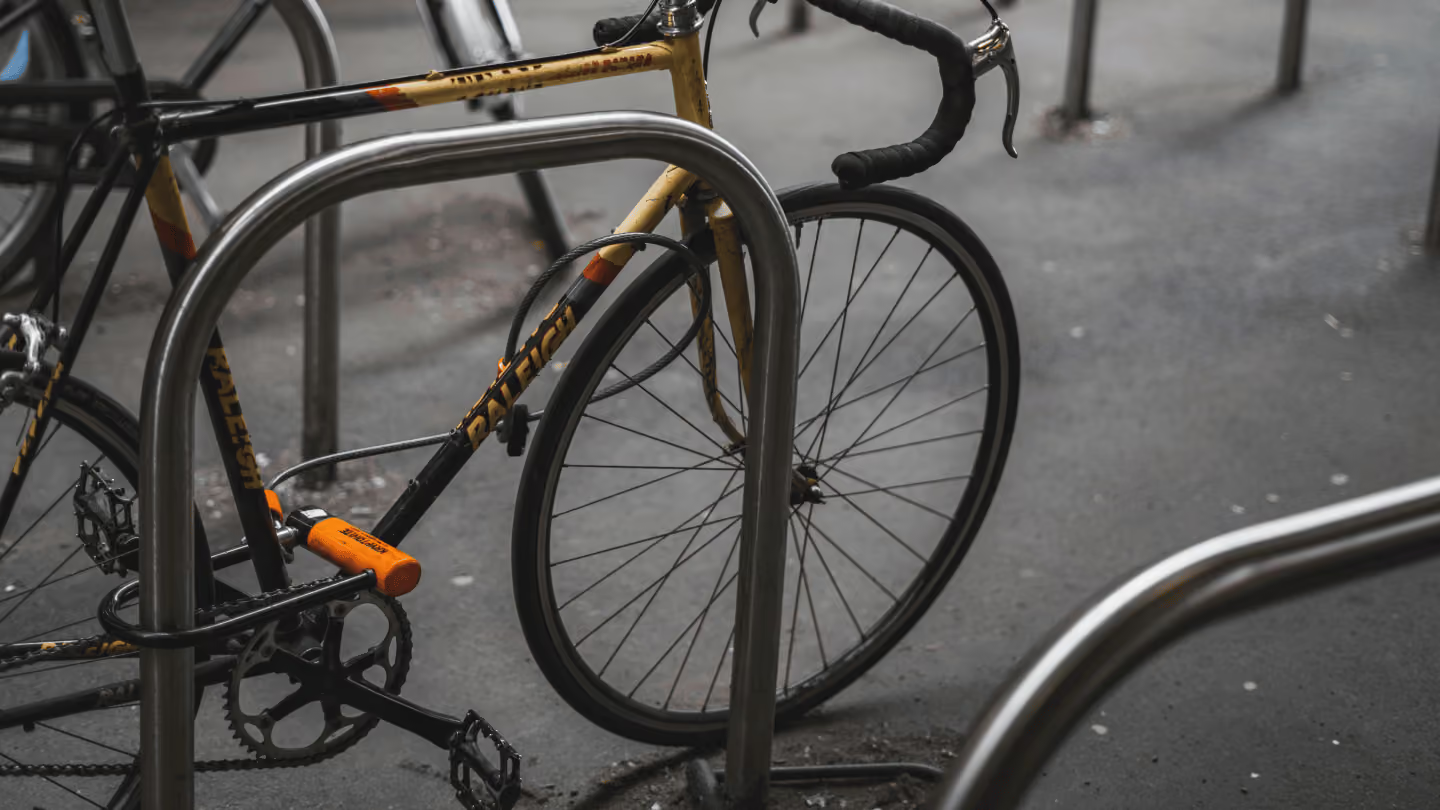
When it comes to choosing a lock, D-locks (or U-locks) are generally the standard recommendation. They rely on a rigid, hardened steel shackle that resists bolt cutters and leverage attacks effectively. The downside to that rigidity is that you're limited to locking the frame and one wheel to standard anchor points. If you want to secure both wheels, you'll need to pair it with a separate cable.
Chain locks solve the flexibility problem. Because they can wrap around unusual anchor points, multiple bikes, or awkward frames, they're incredibly versatile. The trade-off is weight. A serious chain lock weighs anywhere from two to four kilograms, which is fine if you leave it at your office bike rack overnight but less ideal for carrying in a backpack.
If you want the middle ground between a D-lock and a chain, folding locks use a series of riveted steel plates that collapse into a compact shape. Just be aware that cheaper models have weak points at the joints, so you'll want to check their security ratings carefully.
Finally, there are cable locks. While lightweight and cheap, a basic pair of bolt cutters will snap a cable lock in seconds. No specialist bicycle insurer accepts a cable lock as your only defence against theft. They are strictly for secondary use, like looping through a front wheel alongside a solid D-lock.
Understanding Sold Secure ratings
The UK relies on Sold Secure as its independent testing standard. They test locks against cutting, picking, prying, and drilling to assign them a tier. Bronze is the entry level, offering basic deterrence for low-risk areas, but most insurers won't accept it for theft coverage. Silver resists common tools for longer and is often the minimum requirement for mid-value bikes around £500 to £1,500.
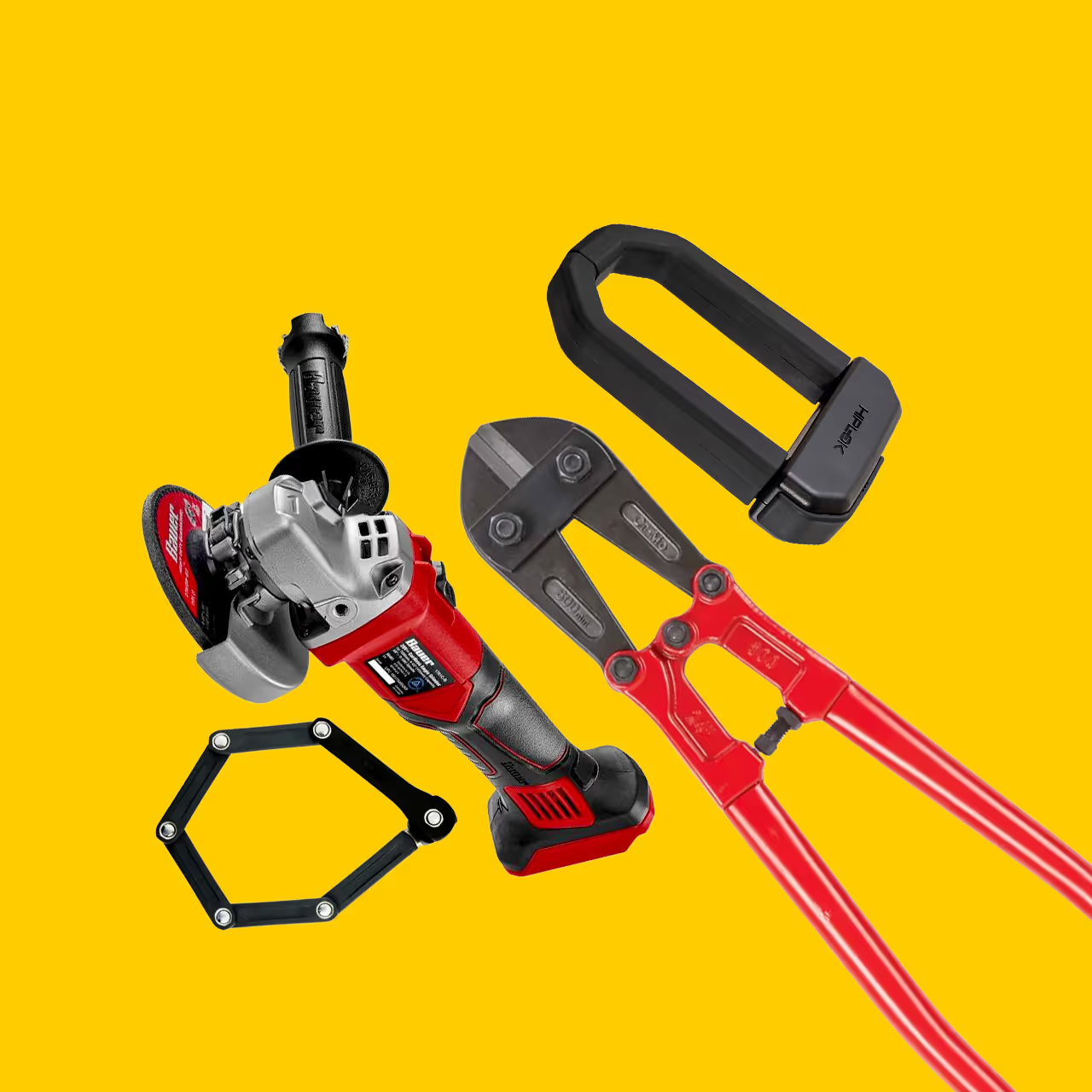
If your bike is worth more than £1500, insurers almost universally require a Gold-rated lock. Gold locks are built to withstand sustained attacks using specialist tools. Recently, Sold Secure introduced a Diamond rating for bikes and e-bikes frequently left in public spaces, which adds specific testing against angle grinders. Since required ratings scale with your bike’s value, checking your policy documents before buying a lock will save you a headache later.
Locks worth considering
You don't need a ranked list to find a good lock, but certain brands consistently perform well. In the D-lock space, the Kryptonite New York series and Abus Granit X-Plus both carry Gold ratings and have proven reliable over years of testing. For commuters who want something slightly more portable, the Kryptonite Evolution line offers solid protection, while Hiplok makes a D-lock designed to clip directly onto your belt.
For heavy-duty security, the Kryptonite New York chain or Abus Granit CityChain are excellent options. Hiplok also makes a wearable Gold-rated chain that solves the weight issue by resting on your hips while you ride. Pragmasis Protector chains are another secure choice, though their extreme weight makes them better suited for a fixed location like a garage rather than carrying around town. If you're looking at folding locks, the Abus Bordo series is well-established, with the Granit X-Plus model hitting the Gold standard.
How to lock your bike properly
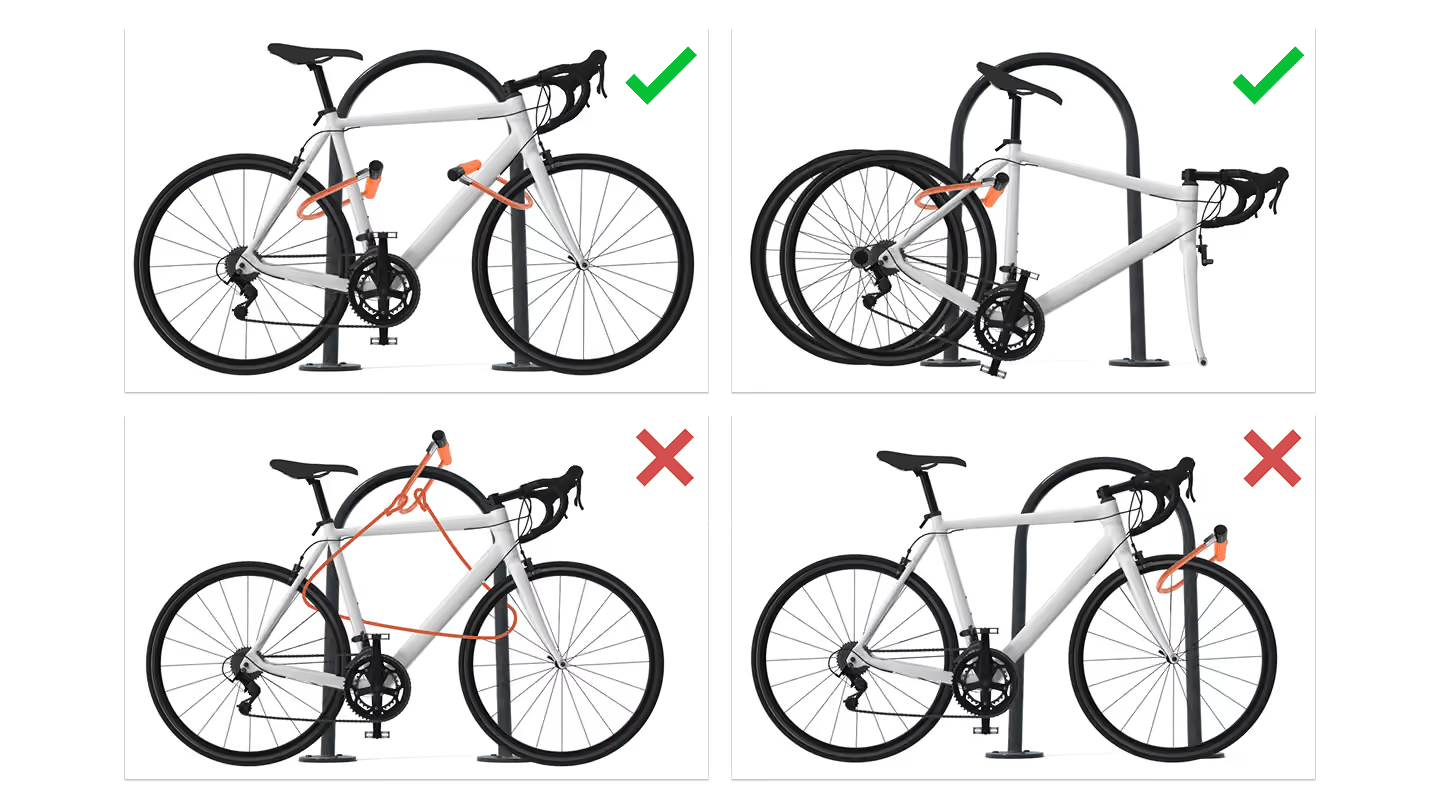
Buying a high-end lock is only effective if you use it correctly. Always pass the lock through the frame - ideally the rear triangle - and the rear wheel before attaching it to the anchor. That anchor point needs to be solid and fixed, like a Sheffield stand or heavy railing, rather than a thin fence or a signpost that can be lifted out of the pavement.
Try to position the lock so there is minimal empty space inside the shackle. A tight fit makes it much harder for a thief to insert a jack or leverage tool. If your bike is particularly valuable, using a D-lock alongside a chain or thick cable forces a thief to use different types of tools to break both. Before walking away, strip off any quick-release accessories like lights, GPS head units, or saddlebags since they aren't covered by the lock.
Matching your lock to your bike's value
A common guideline is to spend roughly 10 to 15% of your bike's value on security. Putting a £120 chain on a battered £300 commuter bike doesn't make sense, just as a cheap lock on a carbon road bike is asking for trouble.
For bikes under £500, a Silver-rated D-lock costing around £30 to £50 is usually adequate. As you move into the £500 to £2,000 range, you should upgrade to a Gold-rated D-lock and consider carrying a cable for your front wheel. For anything over £2,000, a Gold D-lock paired with a Gold chain - or stepping up to a Diamond-rated lock - is the safest approach. E-bikes are heavily targeted, so they require the same high-tier protection regardless of price. Never leave any bike secured with just a cable. And remember, the lock standard listed in your insurance policy isn't a suggestion - it's a strict requirement for cover.